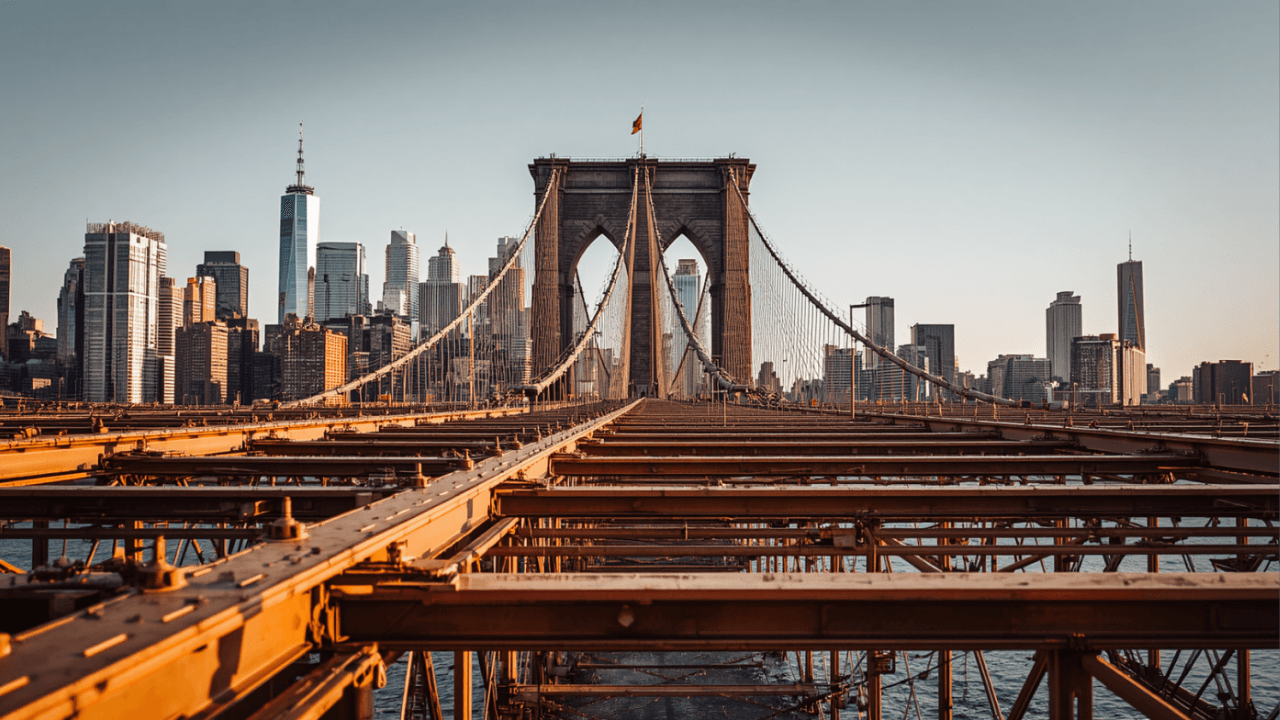
Every contractor working in New York is building on top of one of the most extraordinary construction legacies in the world. The skyline we take for granted was raised by crews working with rivets and rope, racing rivals, solving problems no one had solved before. Here are a few of the stories behind the buildings — and a reminder of what it really means to build better.
The Empire State Building: 410 Days
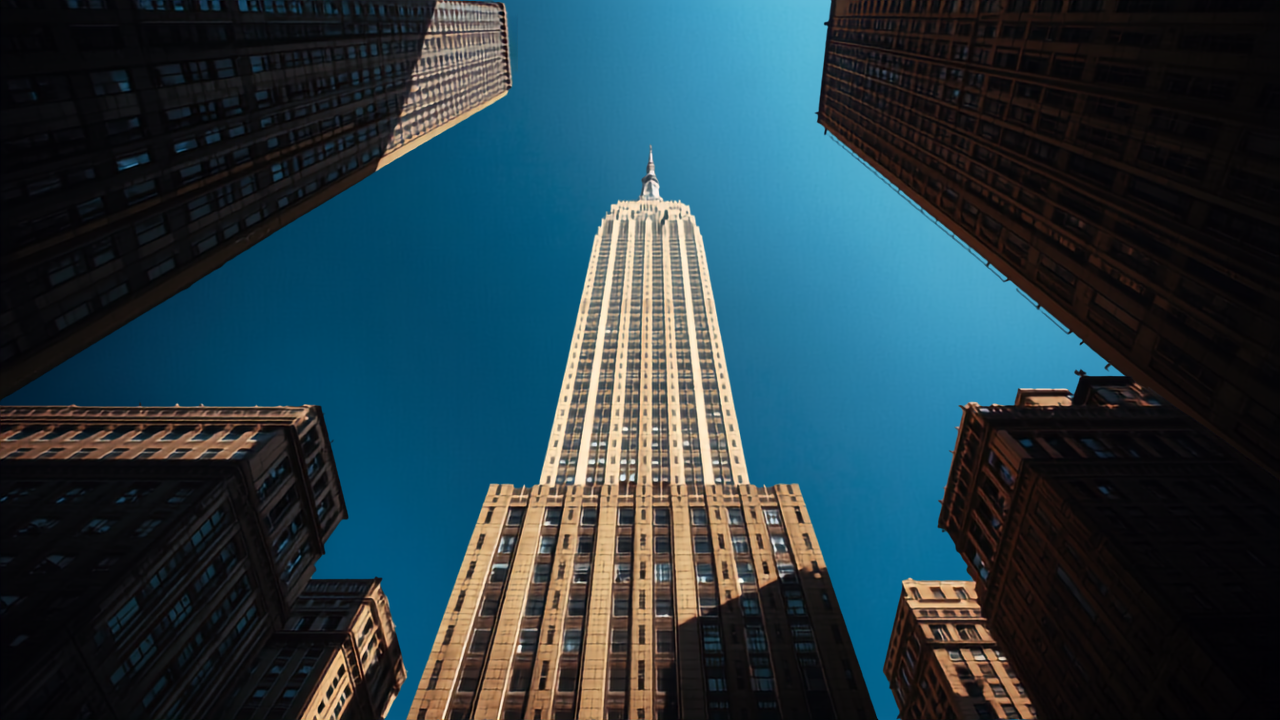
When the Empire State Building opened in 1931, it had been built in roughly 410 days — a pace that would be aggressive even with today's technology. At peak, thousands of workers swarmed the site, and the steel frame rose at a rate that sometimes exceeded a floor a day.
The secret wasn't a single innovation; it was logistics. The builders treated the site like an assembly line, sequencing material deliveries so steel arrived just as it was needed and was hoisted into place still warm from the mills. It's one of the earliest and most dramatic examples of what we'd now call lean construction and just-in-time scheduling — proof that disciplined sequencing, not just manpower, is what builds fast.
The building also rose during a fierce race for the title of world's tallest, and it claimed it decisively, holding the crown for nearly 40 years.
The Chrysler Building: A Secret Spire
A few blocks away, the Chrysler Building was locked in that same race — specifically against the bankers' tower at 40 Wall Street. The architect, William Van Alen, had a trick up his sleeve: the building's now-famous stainless-steel spire was assembled in secret inside the building's crown, then hoisted into place in a matter of hours, instantly making Chrysler the tallest building in the world in 1930.
It's a perfect piece of construction theater — and a lesson in prefabrication. Build it in a controlled environment, then install it fast. That idea drives everything from modular construction to today's prefabricated MEP racks.

The Flatiron Building: Steel Makes the Shape
The Flatiron Building (1902) is beloved for its impossible wedge shape, squeezed onto a triangular lot where Broadway crosses Fifth Avenue. What made that shape buildable was a steel skeleton frame — the technology that freed tall buildings from relying on ever-thicker masonry walls to carry their own weight.
New Yorkers were so convinced the slender building would topple in the wind that the area's gusty downdrafts became local legend. It didn't topple. The steel frame did its job, and the Flatiron helped prove that the skyscraper era had truly arrived.

The Brooklyn Bridge: Built at a Human Cost
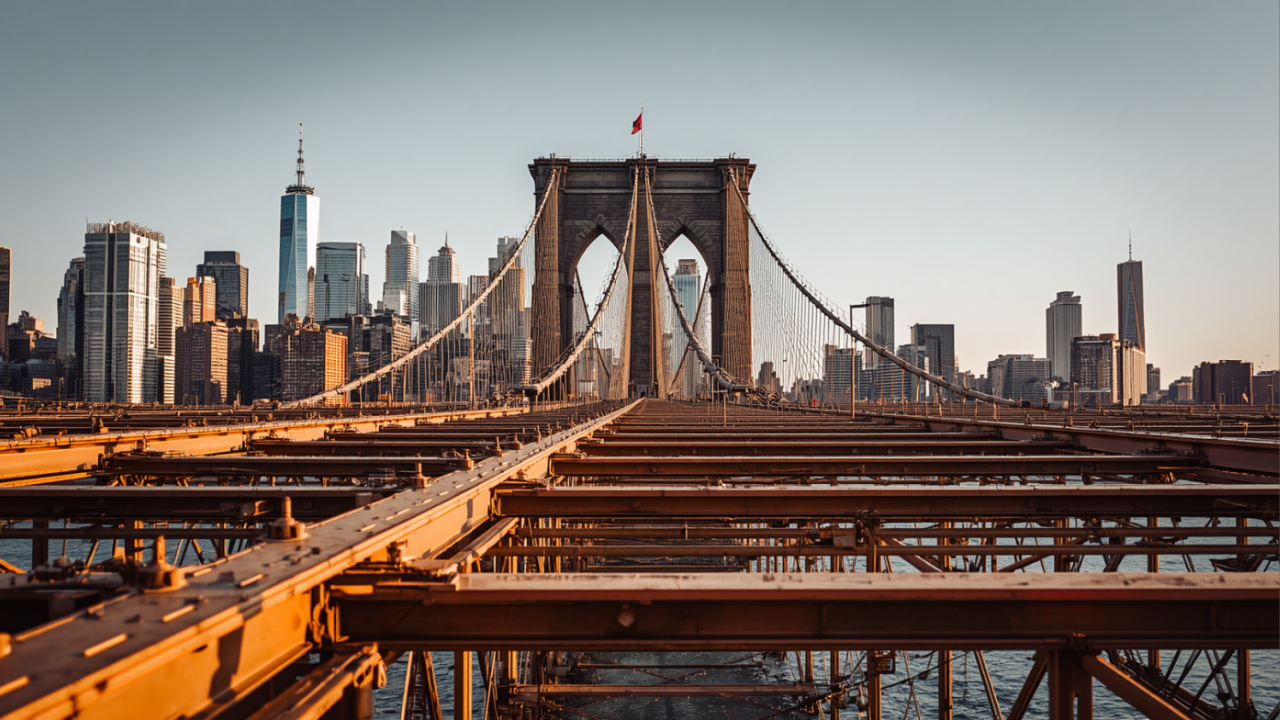
Before the towers, there was the bridge. When the Brooklyn Bridge opened in 1883 after 14 years of construction, it was the longest suspension bridge in the world and the first to use steel cables. Its designer, John A. Roebling, died of an injury sustained at the site before construction even began; his son Washington Roebling took over and was himself disabled by caisson disease — decompression sickness, then poorly understood — from working in the pressurized underwater chambers where the foundations were dug.
Washington's wife, Emily Warren Roebling, then stepped in, mastering the engineering and effectively managing the project to completion. The Brooklyn Bridge is a monument to engineering ambition — and a sober reminder that worker safety is not a footnote to construction. It's the whole job.
The Woolworth Building: The Cathedral of Commerce
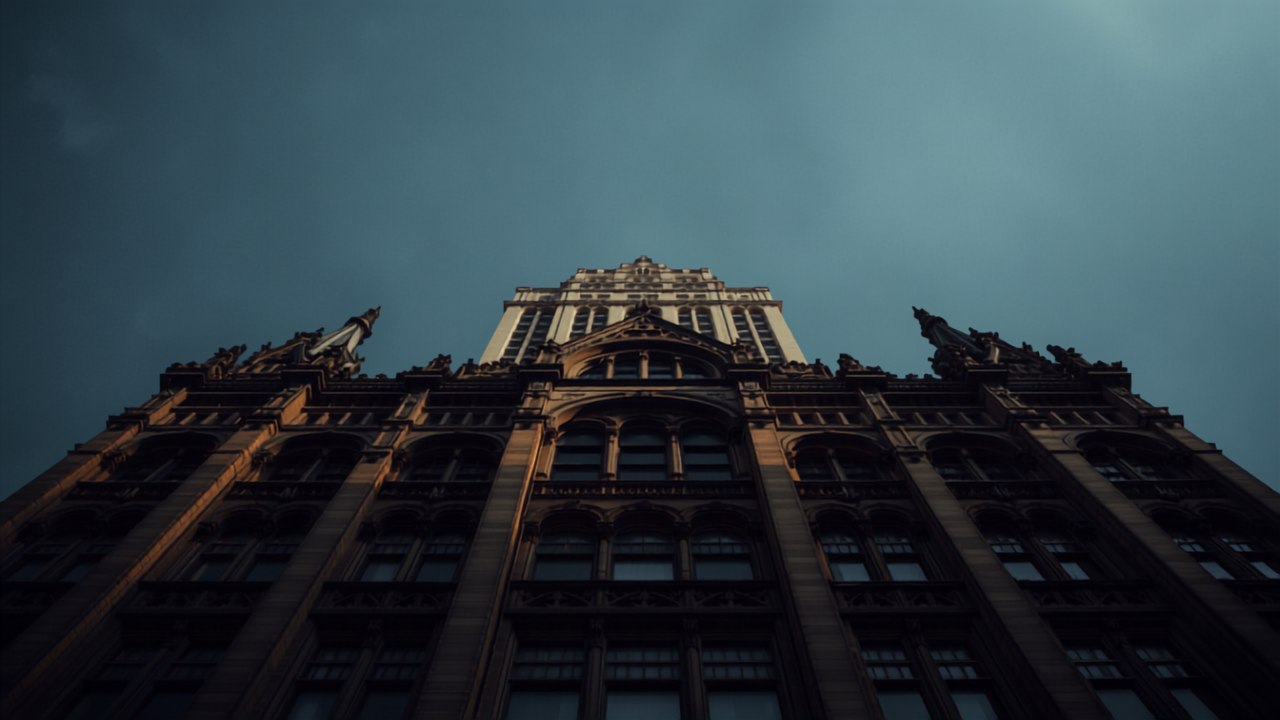
When it opened in 1913, Cass Gilbert's Woolworth Building was the tallest in the world and so ornate it earned the nickname "the Cathedral of Commerce." Frank Woolworth famously paid for it in cash. Its Gothic detailing and terra-cotta cladding showed that a skyscraper could be a work of art, not just a stack of rentable floors — a standard New York has chased ever since.
What These Buildings Teach Today's Contractors
Strip away the romance and these landmarks share the same DNA as a well-run modern project:
- Sequencing wins. The Empire State Building's speed came from logistics, not luck.
- Prefabrication is leverage. Chrysler's spire was built off-site and installed fast.
- The right structural system unlocks the design. Steel made the Flatiron possible.
- Safety is the job, not a constraint on it. The Brooklyn Bridge paid a human price we should never repeat.
- Quality endures. A century later, we still photograph the buildings that were built with care.
At MODRN, "Building Better Together" isn't a slogan — it's the same discipline that raised these towers, applied to today's schools, transit, and infrastructure. The tools have changed. The standard hasn't.
Building something that should last? Talk to MODRN.
Comments
0 commentsChecking your Nexus session…
Loading comments…