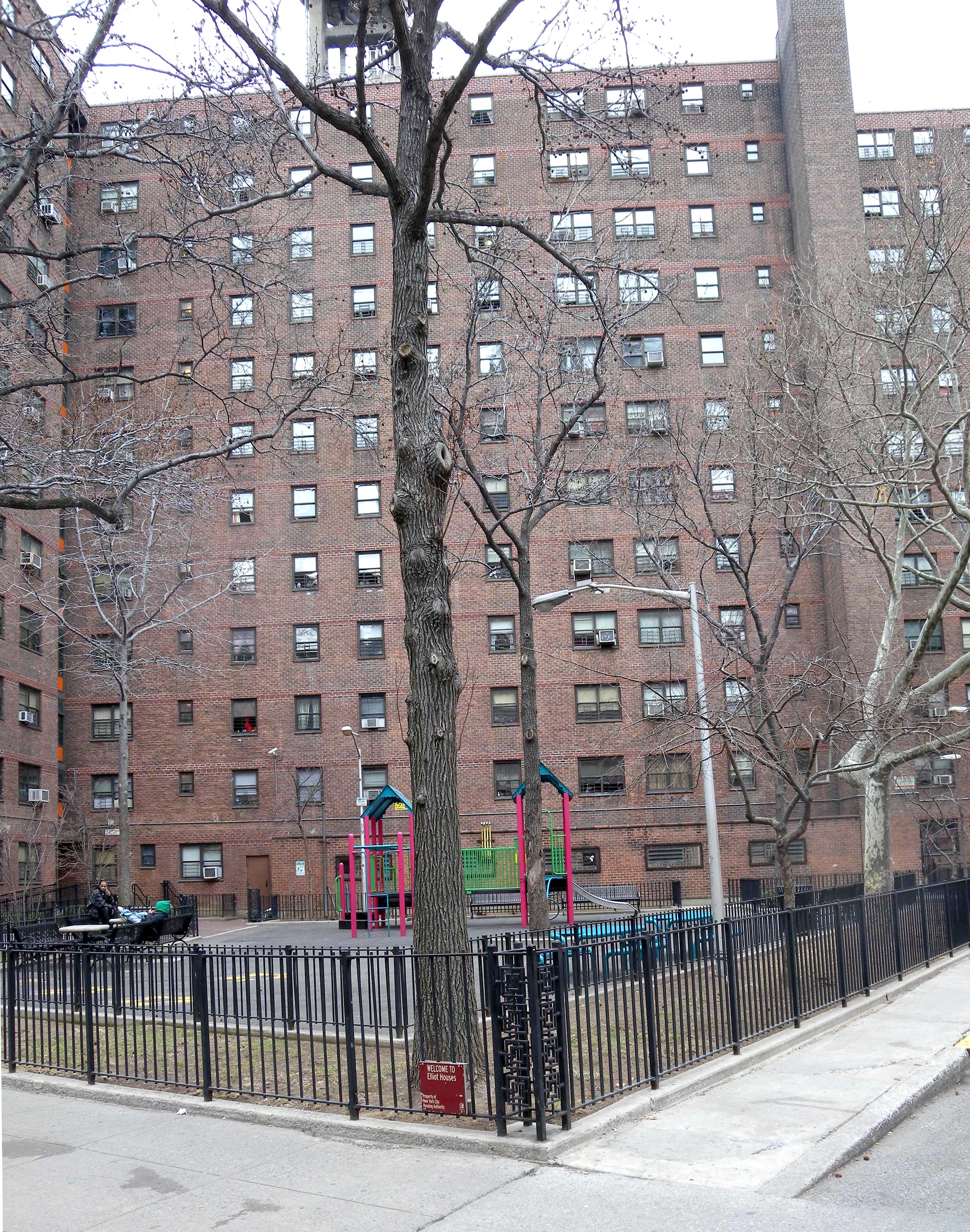
After a quiet winter and a legal pause that stalled one of the largest public-housing rebuilds in the city, New York City Housing Authority (NYCHA) redevelopment is back in motion. In July 2026 an appellate panel lifted a months-long stay on the Fulton and Elliott-Chelsea rebuild in Manhattan, and the Mayor's office announced the financial closing of a new affordable-housing development on a NYCHA campus in the Bronx. Together, the two headlines point to the same reality for contractors: NYCHA work is one of the most active pipelines in the city right now, and the way firms get onto that work is changing.
For general contractors and subcontractors who do public work — MODRN's core audience — this is worth understanding in detail. NYCHA's redevelopment machine runs on a specific procurement structure, and the firms that learn how it selects partners are the ones positioned to bid when the next campus comes to market.
What's actually happening in 2026
Two developments have put NYCHA back in the headlines this summer.
The Fulton and Elliott-Chelsea Houses rebuild in Chelsea — a full demolition-and-replacement project rather than a renovation — cleared a major legal hurdle. An appellate ruling lifted a stay that had paused demolition and new construction for roughly four months, allowing NYCHA and its private development partners to restart lease signings and resident relocations before demolition can begin. Opponents had sued to block the plan, arguing residents would be displaced against their will; the appellate court allowed the project to proceed. (Litigation around large NYCHA projects can continue to evolve — treat the current legal status as a point to reconfirm against court records and NYCHA's project page before relying on it.)
Separately, the City announced the financial closing of a new senior affordable-housing development on a NYCHA campus in the Bronx — the kind of infill project that adds new construction on existing public-housing land while preserving affordability. Financial closing is the milestone that turns a planned project into a funded one, which is typically when construction procurement and mobilization follow.
Both stories sit inside a much larger program. NYCHA's multi-year capital plan is among the largest in its history, and a meaningful share of its portfolio now has a defined path to renovation or redevelopment through one of three tracks: PACT, the Public Housing Preservation Trust, and Comprehensive Modernization. (Specific capital-plan dollar totals and the exact share of units addressed are figures to verify against current NYCHA/City publications before citing.)
Understanding PACT — the vehicle behind most of the work
If you want to work on NYCHA modernization, you need to understand PACT: Permanent Affordability Commitment Together. It is NYCHA's primary tool for funding large-scale repairs and redevelopment.
Here is the mechanism in plain terms. Through PACT, a NYCHA development is moved into the federal Rental Assistance Demonstration (RAD) program and converted to Project-Based Section 8 — a more stable federal funding stream than traditional public-housing subsidy. NYCHA then leases the land and buildings to a private or non-profit development partner, which finances and carries out comprehensive repairs (or, in some cases, full redevelopment), takes over on-site property management, and provides enhanced social services. Homes remain permanently affordable, and residents keep their rights and their apartments.
For contractors, the important point is who controls the construction. On a PACT deal, the development partner — not NYCHA directly — is typically the entity assembling the general contractor and trade subcontractors. That changes where you focus your business development: you're building relationships with the development teams selected for PACT, not only with the agency.
How contractors get in: the pre-qualified list
NYCHA has been streamlining how it selects PACT partners, and the model matters for any firm trying to break in.
Through its Real Estate Development function, NYCHA maintains a pre-qualified list (PQL) of developers, property managers, and general contractors eligible to partner on PACT projects. The agency reopened its Request for Qualifications (RFQ) to solicit partners, and — notably — moved to rolling submissions and evaluation rather than a once-a-year refresh. In practice, that means a firm can position itself to qualify on an ongoing basis rather than waiting for an annual window. Once on a PQL, pre-qualified partners can respond to future solicitations as individual campuses come up for renovation or redevelopment.
For a small or mid-sized firm, the realistic path onto major NYCHA work usually runs through one of two doors:
- Qualify (or team) at the development-partner level. The RFQ contemplates general contractors on the pre-qualified list, but the capital and track record required to lead a full campus redevelopment are significant. Many firms enter by teaming with an established developer or GC already on the list.
- Position as a subcontractor or specialty trade to the selected development teams. This is where a great deal of the actual construction volume lives — and where MWBE and DBE certification, prevailing-wage compliance, and a clean bonding and insurance profile become deciding factors.
If you're not yet certified, that's the first move. See our guide on how to get your MWBE certification in New York, and treat prequalification and agency bid-list registration as ongoing business-development work, not a one-time task.
Why this pipeline rewards disciplined contractors
Public-housing redevelopment is not forgiving work. These are occupied or recently vacated sites with phasing constraints, relocation timelines, resident-protection requirements, and layered federal, state, and city compliance obligations. RAD/PACT conversions carry their own reporting and physical-condition standards, and prevailing wage almost always applies.
That environment favors firms that run tight systems: accurate scope-gap analysis at bid time, disciplined submittal logs, clean certified-payroll records, and documentation that survives an audit. The upside is real — a large, sustained, publicly funded pipeline with a defined entry path — but the firms that win repeat work are the ones that treat compliance and documentation as a competitive advantage rather than a burden.
If you're weighing whether to chase NYCHA work, start by getting your qualifications, certifications, and compliance house in order before the next solicitation drops. The rolling PQL model means the window is effectively always open — but only for firms that are ready.
The bottom line
NYCHA's redevelopment program is one of the clearest growth stories in NYC public construction right now. A stalled flagship rebuild is moving again, new financings are closing, and the agency has restructured how it brings partners on board through a rolling pre-qualified list. For public-works contractors, the opportunity is genuine — and the firms that understand PACT's structure and get qualified early will be the ones in the room when the work is awarded.
MODRN helps contractors compete for and manage exactly this kind of public work — from scope-gap review and estimating through certified payroll, submittals, and contract administration. If NYCHA and other public-agency jobs are on your radar, see how we can help or get in touch.
This article is provided for general informational purposes and reflects public reporting and program information as of July 2026. Program details, procurement processes, project scopes, dollar figures, and legal statuses change — always confirm current requirements directly with NYCHA and the relevant agency before making bidding or business decisions. MODRN Inc. does not provide legal advice.
Sources: NYCHA — Permanent Affordability Commitment Together (PACT) · NYCHA — PACT Procurement / RFQ · NYCHA — Fulton and Elliott-Chelsea Redevelopment · The Real Deal — Chelsea NYCHA redevelopment greenlit (July 10, 2026) · City Limits — NYCHA Can Move Ahead With Chelsea Redevelopment · NY1 — NYCHA CEO on Fulton and Elliot-Chelsea (July 15, 2026) · NYC Mayor's Office — financial closing, NYCHA campus senior housing (July 2026)
Featured image: The Chelsea-Elliot Houses, a NYCHA public-housing development in Manhattan (2009). Photo by Jim.henderson via Wikimedia Commons (CC0 1.0, public domain). Used unmodified.
Comments
0 commentsChecking your Nexus session…
Loading comments…